Child Development · Brain · Nervous System · June 5, 20263 min read
How Your Child's Brain Grows: A Gentle Introduction
After reading this you'll know:
- •A child's brain builds itself through everyday experiences, not just genes
- •A calm adult is the most important tool for a growing brain
- •Some stress helps children grow; too much stress without support does not
- •Simple, kind interactions matter more than expensive toys or perfect routines
If reading feels hard right now, that is okay. This article is written to be gentle and easy to follow. Take it in slowly, like a warm drink.
A brain that is still building
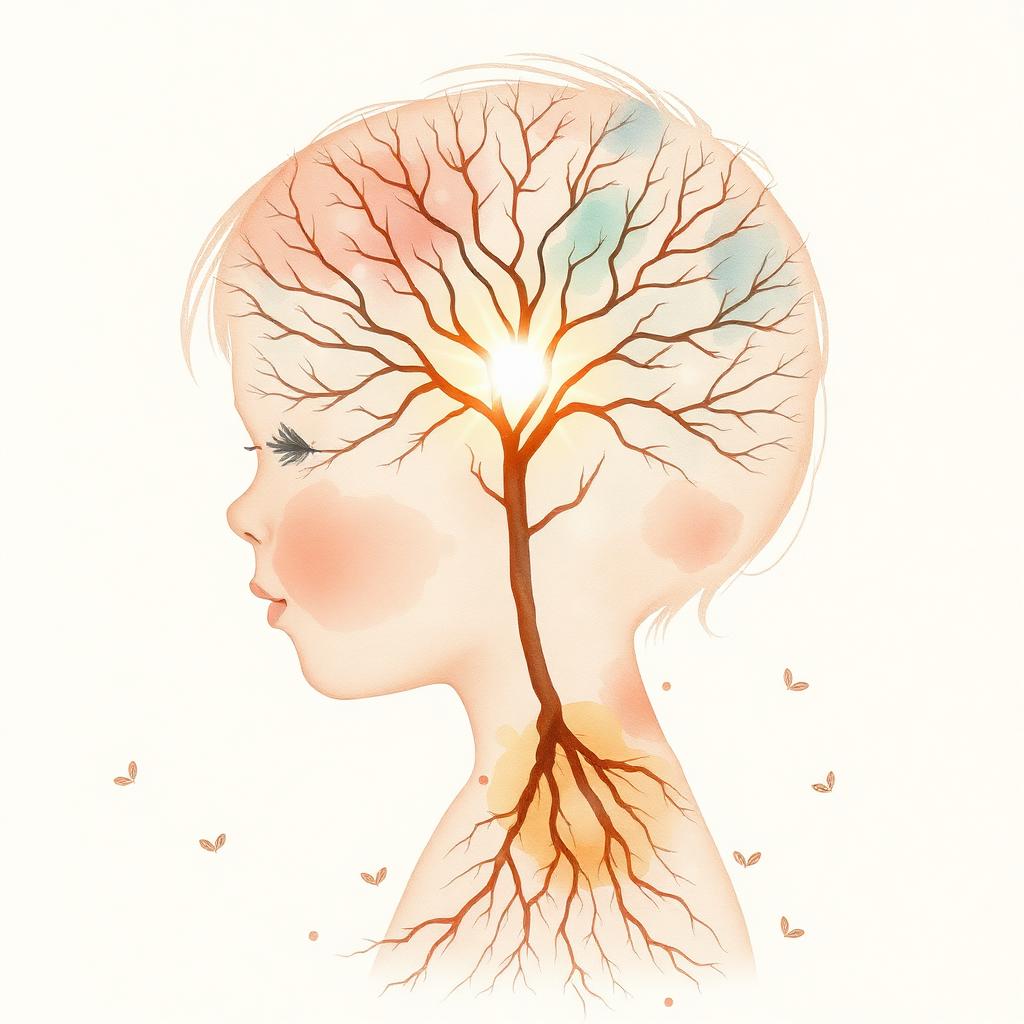
A child's brain is not a small adult brain. It is busy building itself, all day, every day. In the first few years, it makes more than a million new connections every second.
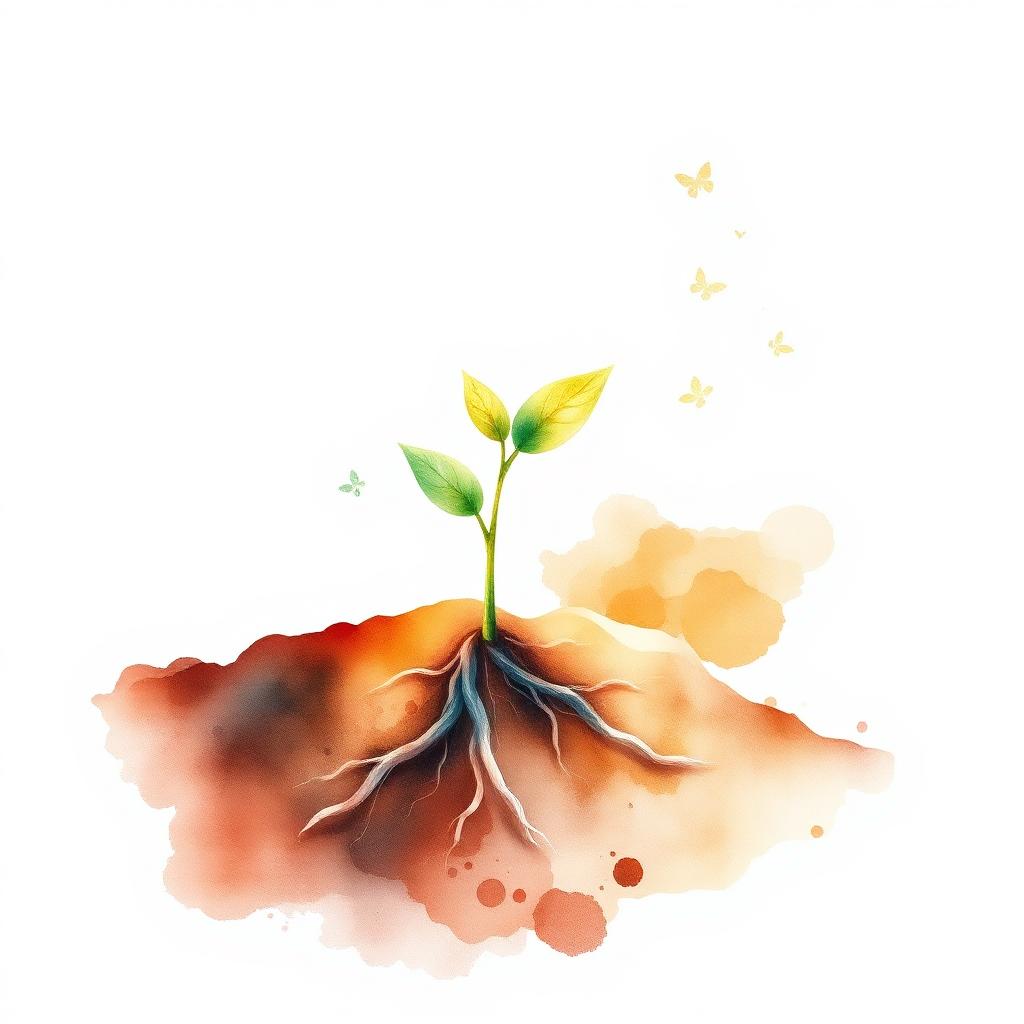
The brain grows like a garden. It starts with many seeds. The ones that get used grow strong. The ones that do not are gently cleared away. This means that what a child experiences — safety, play, stress, kindness — literally shapes the paths inside their brain.
The nervous system learns from people
A baby cannot calm themselves. They borrow calm from the adults around them. When a caregiver holds them gently, speaks softly, and breathes slowly, the baby's body learns what safety feels like.
Over time, these small moments add up. The child begins to build their own ability to calm down. But only if someone showed them how first.
This is why your own calm matters so much. A stressed adult cannot easily calm a stressed child. You are the thermostat. They are the thermometer.
Not all stress is bad
Some stress is good for children. A first day at school. A small fall. A new face. If a kind adult is nearby to help them settle, these moments teach the child: "I can handle hard things."
But stress that goes on too long, without comfort, is different. It floods the body with stress hormones that can change how the brain grows. It can make it harder to learn, to sleep, to trust, and to feel safe.
The difference is not the stress itself. It is whether a child has someone to help them through it.
What helps most
You do not need to be perfect. You do not need special toys or expensive classes. What a growing brain needs most is simple and free:
- Back-and-forth moments: when your child makes a sound and you respond. When they point and you name what they see. These tiny conversations build language, trust, and attention.
- Naming feelings: "You are sad the toy broke." This helps your child understand what is happening inside them.
- Warm touch: hugs, holding hands, sitting close. Touch calms the nervous system in ways words cannot.
- Room to play: unstructured, child-led play is how the brain practises decision-making, creativity, and friendship.
- Good sleep: sleep is when the brain sorts, stores, and repairs. Protect it gently but firmly.
- Repair: when you lose your temper, say sorry. This teaches your child that mistakes are okay and that love stays even when things go wrong.
It is never too late
If your child's early years were hard, or if you are only learning this now, please know: the brain can keep building and healing at any age. One safe, kind relationship can change a child's path.
A teacher, a grandparent, a counsellor, or even a later version of you — showing up differently, more gently — can help a child's nervous system learn a new pattern.
🌿 Soft tools for children and parents
Our Calm Down Cards for Kids give children simple, gentle prompts for breathing and grounding they can use on their own or with you. For parents who want to settle their own nervous system first, the Stress Reduction Cards are a soft place to begin.
When to ask for help
If a child seems stuck in extreme fear, anger, or withdrawal most of the time, or if daily life feels impossible for them, a child psychologist or family therapist can help. Early support makes a real difference. You do not have to figure it out alone.
You are not building a perfect child. You are building a brain that knows it is safe enough to learn, to try, to fail, and to try again. That starts with your presence. Not your perfection.
Read this next