Mental Health · Anxiety · Nervous System · April 27, 20262 min read
Panic Attacks: A Gentle Introduction
After reading this you'll know:
- •A panic attack is a false alarm. It feels terrifying, but it can't hurt you
- •It usually peaks within about 10 minutes and then starts to ease
- •Your body needs gentle signals of safety, not strong words
- •Small things, like cool water or a long sigh out, really do help
If you've ever had a panic attack, you know how scary it feels. This article is short and gentle, so you can read it on a hard day too.
What a panic attack really is
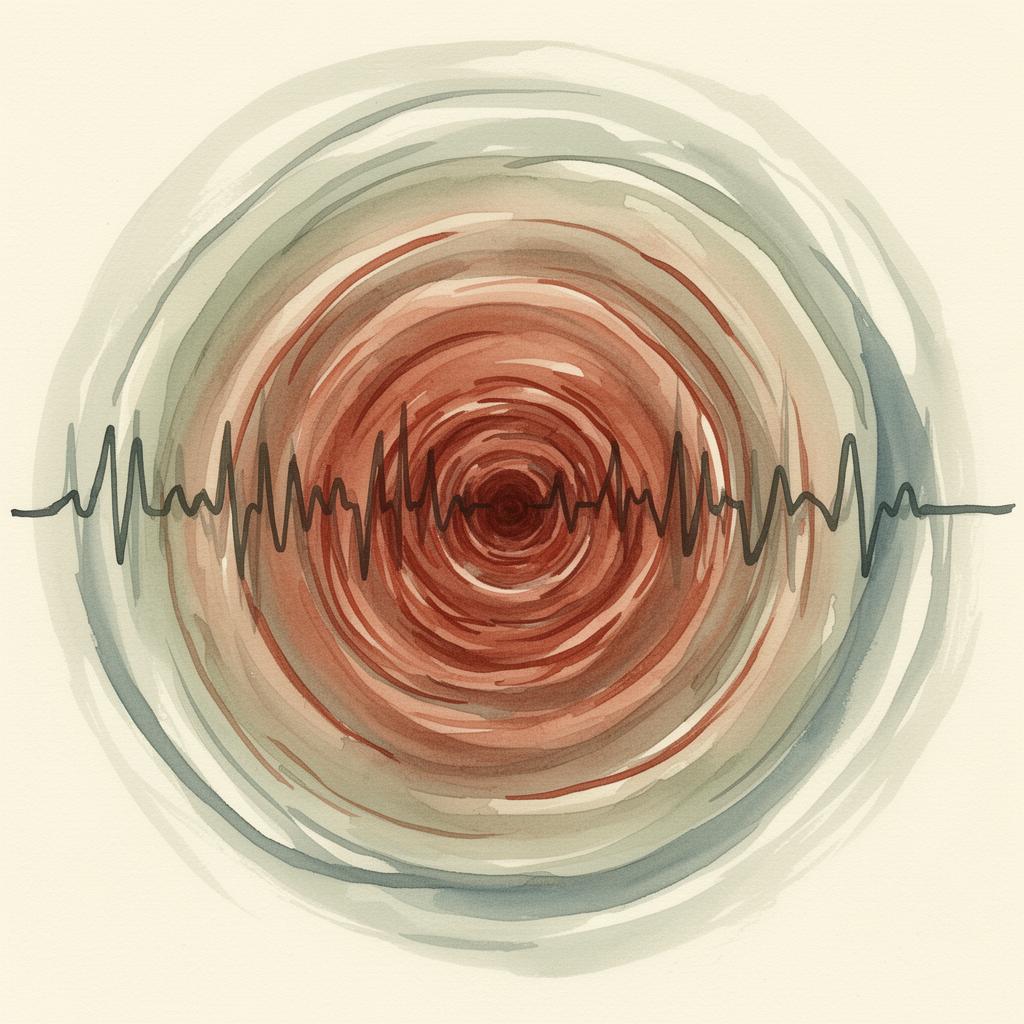
A panic attack is a false alarm. Your body's protective system suddenly switches on, even though you're safe. It thinks something is wrong and tries to help by getting you ready to run or fight.
That's why your heart races, your chest feels tight, and your breath feels strange. None of it means something bad is happening to your body. It means your alarm is too loud right now.
It will pass
Most panic attacks reach their strongest point within about ten minutes, and then they start to fade. Your body simply can't keep that high level of alarm going for long.
You don't have to make it stop. You only have to wait it out, kindly.
Small things that help in the moment
Pick one. Just one is enough.
- Long sigh out: breathe in softly, then sigh out a little longer than you breathed in
- Cool water: hold a cold glass, or splash some on your wrists or face
- Feel your feet: press them gently into the floor and notice the ground holding you
- Name what you see: look around and quietly name five soft, ordinary things
- A warm hand on your chest: a kind, steady touch can tell your body, "I'm here, you're safe"
Be kind to yourself afterwards
Panic attacks are exhausting. After one, your body needs softness, not a lecture. A blanket, a warm drink, a quiet moment. You did a hard thing.
🌿 Gentle tools to keep nearby
For small, ready-made prompts to lean on during anxious moments, our Stress Reduction Cards can be a soft companion. For little ones, the Calm Down Cards for Kids offer the same kind of gentle support.
💛 When to consider professional support
If panic attacks are happening often, or starting to shape your life (avoiding places, people, or things you'd love to do), please consider reaching out to a therapist. A trauma- or anxiety-trained professional can gently help your nervous system learn that it's safe to settle, in ways that are hard to do on your own. Asking for help is a kind, brave step.
A kind reminder
Having panic attacks doesn't mean something is broken in you. It means your alarm system is sensitive, often because it's been working too hard for too long. With time, gentleness, and small kind tools, it can learn to feel safer again.
Read this next